Happy BlueDay to me!

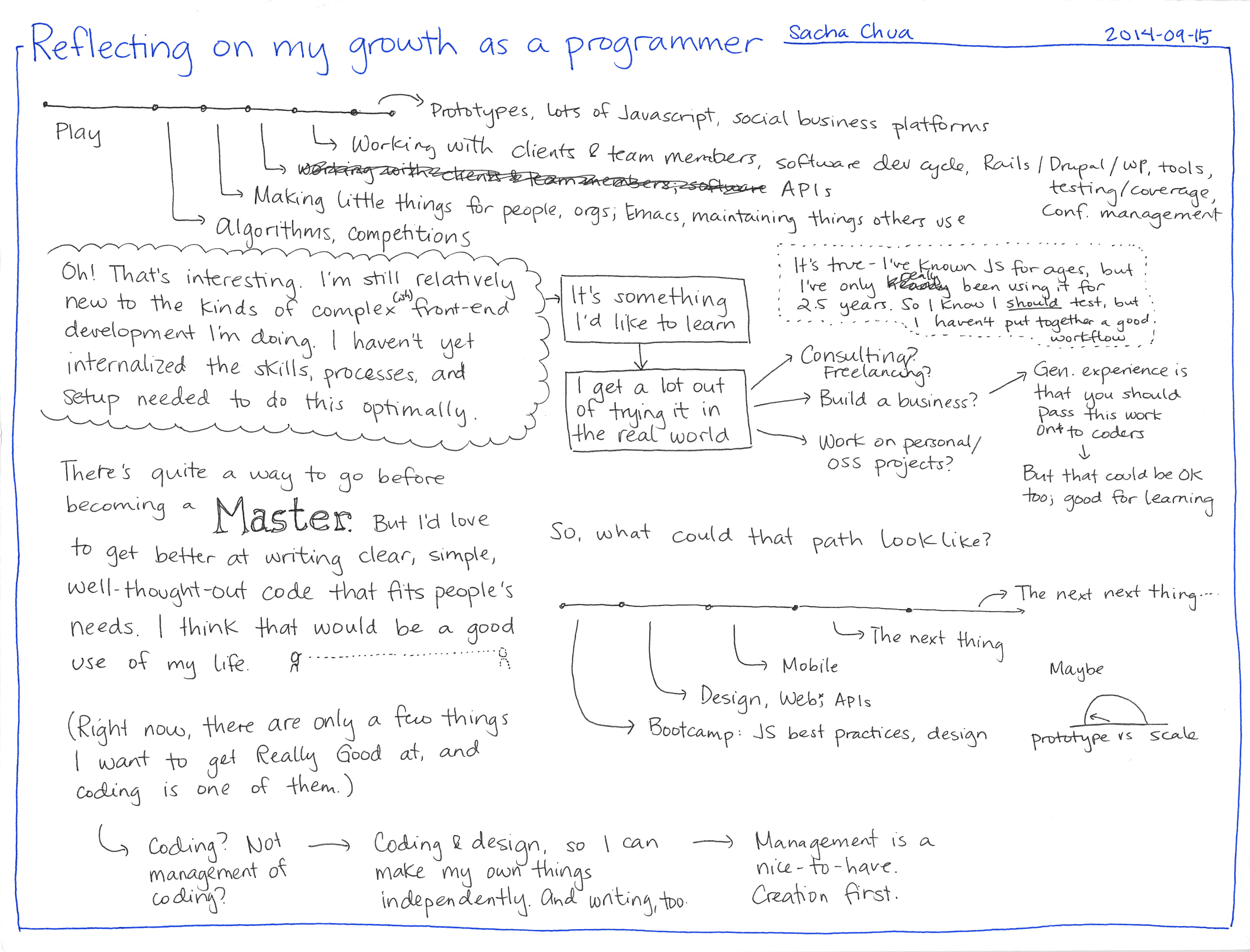
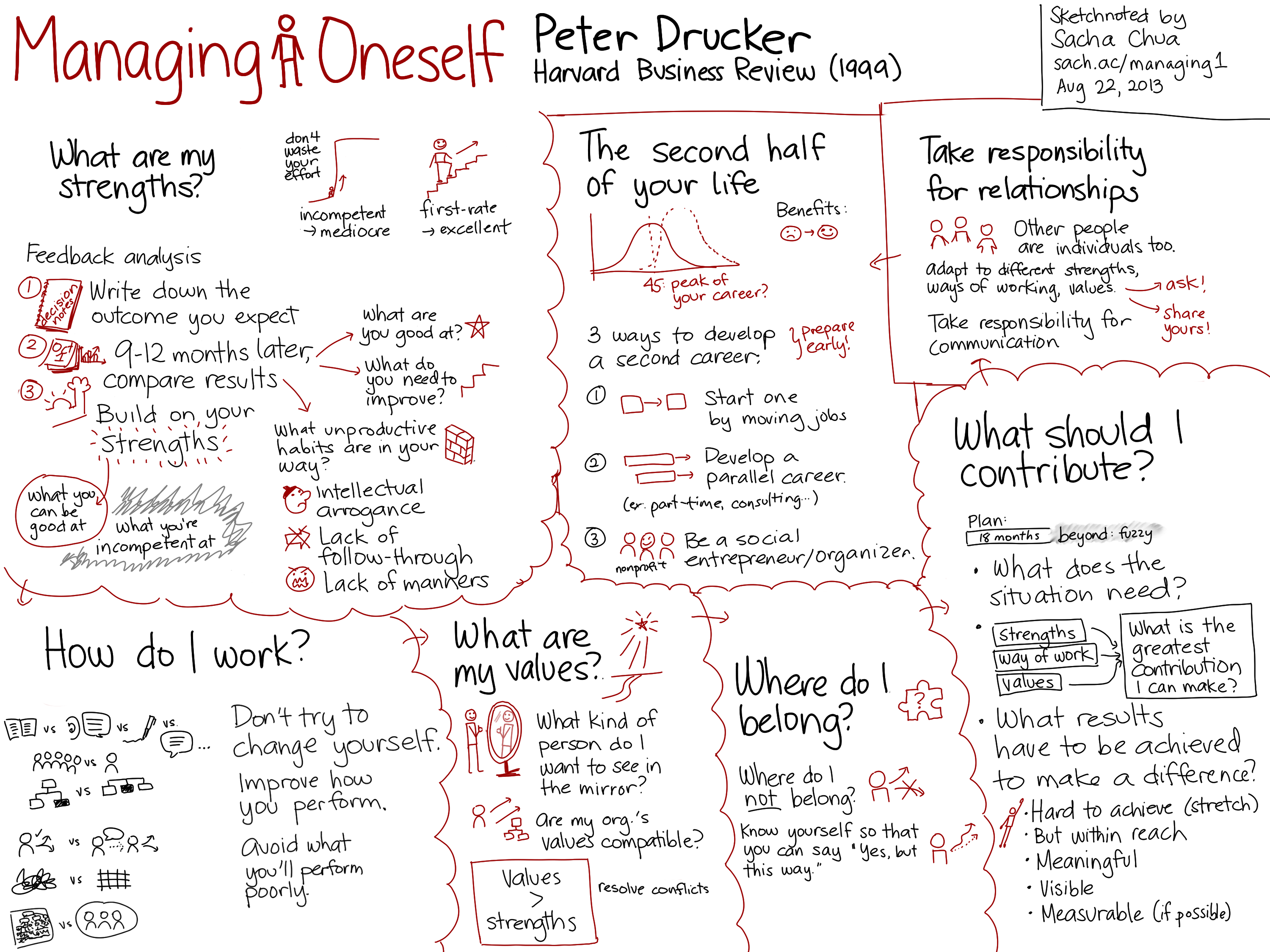
Today is my one-year anniversary at IBM! Yes, I know, I've been on the IBM network for a couple of years now, but I was a graduate student then, and before that, I taught university-level computer science. This is my first year outside the academe and my first year working with IBM, so I'm going to take this opportunity to look back, celebrate what I've learned, and celebrate the people who made this possible.

Over the past year, I've grown tremendously as a developer. I learned how to develop on the Drupal content management platform, and I've contributed back to some of the modules we've used. Applying the principle of relentless improvement, I invested time in setting up unit tests and functional tests, creating build and deployment tools, integrating the tests into the deployment script, and managing multiple branches of source code. I also acted as the system administrator for our project, developing installation scripts, setting up multiple testing and production environments, and keeping them running. I'm a much better developer now than I was one year ago. I'm looking forward to growing even more. Thanks go to Robert Terpstra and Ted Tritchew, who arranged my first Drupal project; Jennifer Nolan, who worked with me on my first and second Drupal projects, and from whom I learned a lot; Daniel Kumm and Kamran Khan, who gave me that second Drupal project where I learned how to really rock it; Stefan Nusser and the other Drupal-using folks in IBM; Waclaw Ferens, whose CSS skills helped me avoid the frustration of cross-browser coding and just focus on the code I really liked to do; and the tons of open source developers out there who shared not only their code but also their insights on how coding can be done better. Yay!

I also grew a lot as a speaker. This year, most of my presentations were about Web 2.0, Gen Y, or social networking. While helping another IBMer, I stumbled across a distinctive personal style of hand-drawn illustrations that resonated with people. Applying that style, I won a category prize in Slideshare.net's worldwide Best Presentation Contest, delighted senior-level clients, and helped many people think of IBM as just a little bit cooler and more creative. I've spoken at numerous conferences and delivered part of two keynote speech, one of which was in front of 700 people. I've delivered remote presentations that informed and energized people. I've participated on panels, facilitated workshops and brainstorming sessions, and even helped organize conferences. I've presented to fellow new hires and to IBM's technical leaders, to internal teams and to our clients. Presenting teaches me a lot about a topic, and I enjoy making things easier to understand. I'm looking forward to even more presentations, particularly when that intersects with my consulting. Thanks go to all the people who gave me opportunities to speak and to learn from other people, to my manager for being fairly liberal when it came to travelling to speak at conferences, and to the wonderful people who listened to what I had to share (and especially to those who gave me a high rating afterwards ;) ). Particular thanks go to Laurie Friedman, who nudged me to figure out a way to explain to Gen Yers coming out of college that Web 2.0 _does_ work at work.

I haven't been doing as much Web 2.0 consulting and coaching as I'd like, but I've been able to help a few clients learn more about Web 2.0, incorporate the concepts into their strategy, and learn how to use these tools more effectively. My youth and my lack of industry experience means that many clients and account teams feel more comfortable with the more senior consultants on my team. However, I occasionally get to offer a Gen Y perspective, pitch in for others, or help with background work such as doing industry scans, brainstorming ideas, or capturing the discussion. I'm good at that work, though, and I can see how it adds value. I also help connect the dots, bringing opportunities into my team and helping my team members find resources throughout the company. I can get even better at this by exposing myself to more ideas, by exploring clients' interest in Gen Y and collaboration, and by developing marketing materials for my team. Thanks go to Aaron Kim for getting me into this terrific opportunity and for encouraging me at every step of the way; Robert Terpstra, for giving it a try and bringing together this team; Bernie Michalik and Jennifer Nolan, for guidance and good examples; Jenny Chang and Tom Plaskon, for helping our team grow; Jennifer Okimoto, Pauline Ores, Kathryn Everest and all the others who sent insights and opportunities our way; the account teams we've worked with; and the clients who figured we had something good to share. (And we do!)

I've helped a number of IBM communities, teams, and individuals. Again, I've not been able to do as much as I'd like (still no New Bee's Cartoon Guide to Web 2.0 at Work), but I've tried to make sure that people could reuse as much as possible. Next year, I'd like to not only help put together that guide for new hires, but also make it part of the new employee orientation process, link it up with all the new hire groups and campus hire groups, and set up mentoring and reverse mentoring relationships among many people. Thanks go to the totally awesome Web 2.0 evangelists; people all over IBM who are interested in learning about these new tools and who keep us busy; to the new hire network AS Foundations which made IBM feel even more welcoming; to the new hire networks and the other people around the world that I've had the pleasure to reach; and to everyone who, through blogs, other social computing tools, e-mail, or instant messaging, shared their insights with me and mentored me.

I've been really lucky to learn from and share what I'm learning with lots of people. I've not only been able to post chunks of what I know, but also learn from other people's contributions and get a sense of the value I've created and passed on to others. I'm thrilled that I'm one of the top contributors, and I'd love to help more people contribute there and on our other tools.

It hasn't been a perfect year. I've seen a number of my mentors and role models leave for other companies, and that frustrates me. I've heard some of the difficulties encountered by fellow new hires and experienced IBMers, and that frustrates me, too. On the plus side, I've been glad to share my energy and enthusiasm with lots of people, and I'm glad I've helped some of the people I look up to remember why they enjoy their work. Many people have returned the favor, including David Singer, who shared a great perspective on the bigger picture.

When things get really bad, there's always getting a hug from my partner. He's awesome. And we have a cat who loves giving massages. My parents and I have worked out the distance thing, I think. People in IBM are amazing, too, and there are even more people and things outside IBM helping me find energy and happiness when I have one of those maybe-I-should-start-my-own-company days. ;)

And of course, there's so much more I won't be able to fit into this already-long blog post… but thanks. =)

What an amazing year. I'm looking forward to the next one. I would love to keep myself booked doing things I love: developing quick community sites using Drupal and other open-source platforms, helping people learn more about Web 2.0, brainstorming ideas, developing strategy, designing and implementing systems, and coaching people and groups.

There are also a number of things I'd like to help do in order to help make IBM a better place. I want to see the campus hire and new hire networks around the world linked up (maybe even recognized as a formal diversity group?) so that we can share resources, get representation, and make it easy for people to bounce ideas off us. I want to help put together different guides to Web 2.0 at Work that can be incorporated into the new employee orientation process or into the community-building cookbook. I want to put together a set of conference social networking tools that'll help people make the most of those face-to-face or virtual get-togethers. I want to teach everything I've learned (or at least capture it somehow) so that I can understand it better, so that I can share it with others, and so that I can go and learn even more. There are a lot of things I want to do, but there's plenty of time, and there are plenty of people who are passionate about similar things who can help make it happen.

At the end of it all, I want to be someone who's contagiously happy: someone who loves her life _and_ her work, someone who helps other people be happy with their life and their work, and someone who's making a difference in people's lives. I'm already like that, on a small scale, and I look forward to growing.

So that's what my year's been like (fantastic!), and that's what my next year will probably look like. Why am I sharing all of this with you? Not just because I'm patting myself on the back - although I literally do that even for small victories, as it's fun to celebrate the small things… Here's why:

  • There's so much to share and not enough time to share everything, so if you've come across something I know that you'd like to know as well - ping me or leave a comment!
  • I'd love it if you spent some time reflecting on your year, too. What did you learn? What did you get better at? What do you want to do next? Who do you want to become?
  • I want to help other people have this kind of an amazing year. What would it take? How wonderful can it be?
  • And hey, if you know what I'm good at and what I'm interested in, maybe you'll think of me next time an interesting opportunity comes your way. =) Share what you're interested in too, and I'll keep my eyes and ears open for you!

Thanks for an amazing year. Let's see what the next one can be like. I'll keep you posted!

(UPDATE: Fixed HTML tags. Teeheehee!)

Technorati Tags: , , ,

Gen Y Perspective: Why Gen Y Won't Stay at Jobs that Suck

In yesterday's talk by Bea Fields on managing Gen Y, one of the listeners asked how much of a fun circus work would need to become in order to attract and retain younger workers. The well-known and much-criticized Gen Y tendency to job hop makes Gen Y retention a key issue for companies around the world. Here's my Gen Y perspective on this issue: when work-life balance is important and career plans are chaotic, it just doesn't pay to work at jobs that suck.

Why do people work at jobs that don't make them happy? There seem to be three main reasons:

  • They need the money or the health insurance.
  • They don't care about the sacrifices they have to make.
  • They see it as a stepping-stone towards a bigger opportunity.

Let's look at those three reasons from a Gen Y perspective.

Do they need the money or the health insurance?

Many Gen Yers still live at home, so they have less financial pressure. Others live on their own or with friends, but aren't carrying mortgages or supporting families. True, many Gen Yers experience financial pressure from student loans, credit card debt and other obligations, but most can get by.

What about health care? We're in the prime of our lives, and most don't need to worry about losing insurance coverage. Life insurance and family insurance needs are low, because we typically don't have any dependents. That means we can shift jobs without worrying about not being covered in the meantime.

Why else would people take jobs they weren't happy in? They might not care about the other sacrifices they need to make, such as working long hours and living under high stress.

I know many Gen Yers who work overtime and weekends, but I also know many Gen Yers who prioritize work-life balance and who make time in their lives for other things. If their jobs don't allow them to have the kind of life they want, they'll look for other opportunities. They know that for every company that talks about company loyalty and retention but then turns around and expects an unsustainable pace of work, there are also companies that walk the walk and are really interested in improving workplace flexibility–not just for senior employees, but for everyone.

Why would people work so hard, anyway? The answer is related to the third reason why people stay in jobs that don't make them happy. They see those jobs as stepping-stones to greater opportunities.

It used to be that you would "pay your dues" in a boring, thankless job, eventually rising in the ranks and gaining a cushy position. Not any more. After rampant downsizing (I mean, "right-sizing", or "resource actions", as IBM likes to call it), the failure of even supposedly rock-solid institutions (hello, Fannie Mae!), and the un-cushy-izing of formerly cushy positions such as partners in law firms (who are now subject to the threat of de-equitization) is it any wonder why many people–Gen Y, especially, as we're making these entry-level decisions–no longer believe in long-term career planning and in paying your dues in a thankless position?

Lesson One in Daniel Pink's unconventional career guide The Adventures of Johnny Bunko is: "There is no plan."

There is no plan. If there can be no neat plan from getting from point A to point B, if being the office gopher won't get you to the corner office, if you can burn yourself out because of overtime and high stress but still be laid off because of unpredictable market conditions, then it makes sense to take a step back, invest in yourself, and do work that creates value and make you happy.

Gen Y knows this: your employer pays you, but you ultimately work for yourself. You are ultimately responsible for developing your own skills, finding your own opportunities, and making the life that you want.

Gen Y challenges for recruiting and retention, such puzzling issues for HR departments all over the world, are really just logical reactions to the realities of the marketplace. It makes sense to pick jobs and organizations where you can create value, learn, and enjoy working. It makes sense to contribute and learn as much as you can, then move before you get moved–whether it's to another job in the organization, or to another organization entirely. It makes sense to make sure that there's something in it for you.

Does that mean that Gen Yers are mercenary? No. In fact, money isn't the biggest reason why Gen Yers leave organizations. Gen Yers are looking for opportunities to make a difference, to grow, to connect, and to work with people they admire. Dot-com-like perks like foosball tables are fun, but they don't make up for opportunities to make a difference.

The organization that can quickly tap new Gen Yers' passions and skills, move them into a position where they can contribute in a meaningful way, and help them build the social networks that will make them even more productive–that's the kind of organization that will be able to easily recruit and retain Gen Y, because that's the kind of organization that understands what matters.

Technorati Tags: , , , , , , , ,

Dan Pink

Dan Pink gave a presentation on Johnny Bunko: The Medium and The Message. There's plenty to write about, but let me jot down a few notes before I go to bed. Here are some snippets:

"If it didn't exist today, would you invent it?"

That's the question he asked himself before he started working on the Johnny Bunko book. He realized that tactical, ever-changing information was much better on the Internet than in books. If books didn't exist and you wanted to invent them today, it would be difficult to get investors interested.

That made me think of the Emacs book I'm working on. The natural home for this information isn't a printed book, because the Emacs modules I'm writing about are a fast-moving target. (Talk about fast-moving: the parts about Org are already obsolete because Carsten's merged my ideas into the main code, and I haven't even finished technical review yet!) The natural home for this information is in a wiki where everyone can read and contribute for free. The Emacs Wiki (http://www.emacswiki.org), to be precise. Hmm. Worth thinking about.

"This book is meant to start a conversation."

He told us about Bunko Breakfasts and how other people get together to talk about the ideas in the book. What would be a good way to do that? I could bring it up over lunch, or have a lunch and learn session for our new hire network. I could blog about my thoughts here, comment on Dan Pink's blog, and link to other people blogging about the same topic. I'll tag my posts as "career", so they'll be easy to find again.

More tomorrow: "There is no plan."

The way I work

I'm giving a presentation on what next generation work can look like for my company, and I need to figure out just what's different about the way I work compared to the way other people might work. This is difficult because, well, this is the only way I've ever worked in IBM! ;) So here are some of the things about the way I work…

  • I share my notes while I learn. I'm learning a lot at work, and I make sure I spend some time every day writing down what I've learned. This helps me understand and remember more. The key difference, though, is that I share my notes on my blog. This means that people can chime in with suggestions (almost always happen!) and learn from me as well. It also means that people can come across my posts in search engines. If it takes me fifteen extra minutes to write something up, and I save three people an hour's worth of fiddling with things each… that's a pretty good return on investment.
  • I move as much information out of my inbox as possible. Mail is not the best tool for organizing task-related information. I usually use Lotus Connections Activities to group task-related information. It's also terrific for collaboration. I can see people's updates and share resources without sending lots of e-mail around.
  • I create templates for things I often do. For example, I have a detailed activity template for preparing presentations. This checklist reminds me to take care of important steps, such as double-checking the teleconference information, packing my presenter remote, and so on. I've also added links to my favorite resources and shared this template publicly within the company, so anyone can use my template to plan a presentation. By doing this, I help share my processes with other people.
  • I make it easy for people to get to know me. I often share snippets of myself within the company. I talk about what I'm passionate about and what I don't enjoy. I show people what I'm excited about. I share my hopes and my concerns. Because of this, people have told me that they feel they know me pretty well even if they've never quite met me, and they feel comfortable starting a conversation with me. Because people know what I'm interested in and they've come to think of me as a friend, they send me all sorts of opportunities that fit what I'm passionate about. Most of the opportunities I've received have come through my social network instead of from my manager. My manager helps me go after the opportunities, but it's my network that lets me find out about them.
  • I stay connected inside and outside the company. People really make a difference for me. I enjoy knowing and getting to know so many wonderful people within the company, and I love how I can reach out, learn more about them, and even help them out. Because IBM has such a big ecosystem, it's much too easy to go into heads-down mode and forget about the outside. My blog, the blogs I read, and the other communities I participate in all help me keep in touch with what's going on in the outside world. For example, I really enjoy browsing through the presentations on SlideShare - it's great to see what people are talking about and how they're communicating it.
  • I build other people up. If I do something by myself, that's okay. If I can involve other people and spread the opportunities and growth, that's much, much better. That's why I help other people and communities learn about tools and ways of doing things, and that's why I enjoy giving presentations and writing articles. I can get a lot more leverage on my time than I would if I were working alone, and I can connect with people who are talented at different things.
  • I invest time in learning. I work at about 80% of my capacity so that I can spend the rest of the time on increasing that capacity in myself and in others. I don't have a fixed schedule or time budget (nothing like "one and a half hours each day" or "every Friday"), but I give myself leeway to explore things, and I make sure I learn about something different every week or so. I'm always looking for better ways to do things, and I share those ways with others. (Kaizen! Relentless improvement!) I also often find that the random things I learn about that don't seem to have any connection to my current work end up making a difference somewhere.
  • I get great leverage on my time. I'm comfortable speaking to or writing for hundreds of people. It takes me a few extra minutes to share a bookmark, copy a good answer to my blog, post a recording of my presentations, or share a file on our internal file sharing system. In return, I get to reach a wider audience and I can save more people more time. I also save myself time when I can find these resources instead of doing things all over again! This is the way I get leverage on my time. I turn my services into products that people can use again and again.
  • I follow my passion. I keep figuring out that intersection between my passions, my skills, and what my company and the world needs, and then I go ahead and do it. If I'm providing enough value (and it seems I am!), then people will help me figure out how to do even better. =)
  • Work/life balance is non-negotiable for me. I do my best work when I'm happy, and doing my best work makes me even happier. Balance is a dynamic thing, and I enjoy listening and figuring out what I want to do. I don't see it as a win-lose trade-off, either. I firmly believe that I can be happy with both my professional life and my personal life, and I refuse to accept anything less. I know that it's much too easy for me to focus on work (it's fun to make things and make things happen!), so I make sure I explore other things as well. This is also the reason why I enjoy being frugal - it gives me the space to enjoy the balance I want.

(braindumping for an upcoming presentation!)

If you can, teach; If you can't teach, do

I've never agreed with the adage "If you can, do; if you can't, teach." If you've ever caught yourself saying that, watch Taylor Mali talk about what teachers make. I know that you need to know something really well in order to teach it, and that teaching is an incredibly difficult thing to do properly. What I hadn't realized until today is that if you take that adage and you flip it around, you get some pretty good career advice:

If you can, teach. If you can't teach, do.

On the subway ride to work, I was thinking about Drupal and what I'd like to do for my next assignment. My current project will be wrapping up on October 24, and I get the feeling there would be plenty more Drupal work to do. As an application developer, I could build on all that experience I'm gaining in my current assignment: an understanding of how Drupal fits together, some practices for configuration management, testing and documentation, code snippets I can reuse, and so on.

But what I'd really like to do is teach all of this to other people so that I can focus on things I can't teach. There are many things I do that I don't know well enough to teach, and there are many things I do that seem intractable. I can teach tips for networking, but I don't know how to teach people how to connect the dots. I can teach techniques for creativity, but I can't teach creativity. I can teach ways to discover and develop passion, but I can't teach passion.

I'd like to make this unique part more of my paying work. Ideally, I'd be able to do so while keeping my manager happy. It'll help if I can figure out what kind of a difference I'm making and I want to make, and if I can find people who think I'm creating plenty of value.

If you can, teach. If you can't teach, do.

Something worth thinking about….